
Plague of Darkness: If You Don’t Understand It, Don’t Invest
As originally appeared in The Jerusalem Post on January 23, 2026.
I try to speak plainly so that my constituents who don’t follow the nuances of government like I do, because they’re too busy earning a real living, can understand the issues before me. None of this stuff is brain surgery. –John Kennedy
One of the most basic rules of sound investing is also one of the most frequently violated: never invest in something you do not understand. Many of the worst investment mistakes I have seen were made by successful, highly educated people. Whether it was getting sucked in to investment pumped on TikTok to buying real estate sight unseen which didn’t even exist, investors blindly let their emotions win out over common sense and a willingness to operate in the dark.
This week, we read Parshat Bo, which describes the final stages of the Exodus from Egypt. It offers a powerful blueprint for understanding why clarity, comprehension, and active engagement are prerequisites for freedom. Among the plagues described in Parshat Bo is Makhat Choshech, the plague of darkness. The Torah emphasizes not just its intensity, but its effect:
“They did not see one another, and no one could rise from his place for three days”
(Exodus 10:23)
Rashi explains that this was not ordinary darkness:
“A darkness of gloom, so that a person could not see his fellow”
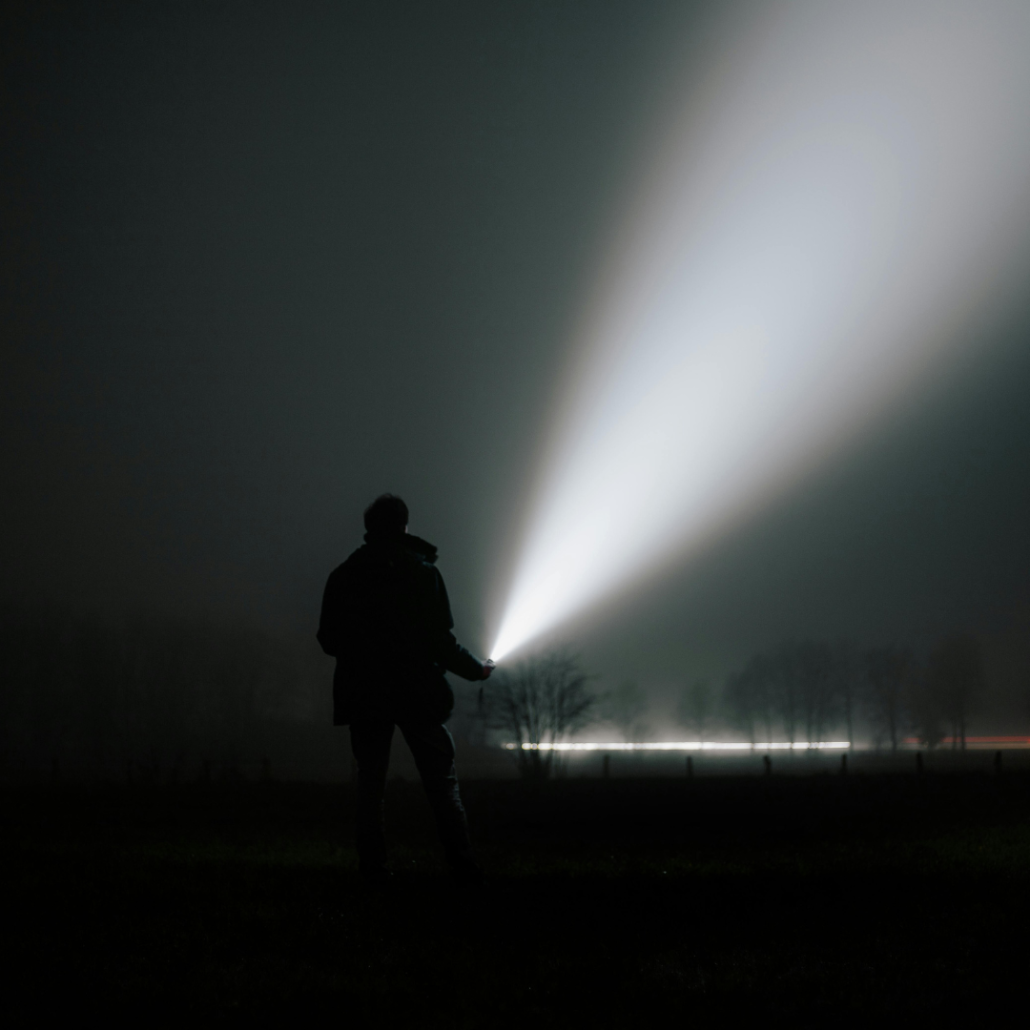
Darkness here represents more than the absence of light. It is disorientation, an inability to perceive reality or respond effectively. In investing, lack of understanding creates the same paralysis. When markets decline, investors who never truly understood what they owned are the first to panic, sell at the wrong time, or freeze entirely.
In his book Beyond Greed and Fear, Hersh Shifrin discusses how investors are far more likely to abandon investments during periods of stress when they do not understand the underlying risks or expected volatility.
Contrast the Egyptians’ paralysis in the plague of darkness with the instructions to Bnei Yisrael regarding the Korban Pesach. They are commanded to select the lamb days in advance, examine it carefully, and guard it. Rashi says that the lamb shall be kept under watch to make sure that it has no blemish.
This is deliberate, thoughtful preparation. Redemption does not happen through slogans or blind faith. It requires engagement, responsibility, and understanding. In financial terms, this is due diligence. An investor must understand what they own, why they own it, and how it behaves under different conditions. Buying something simply because it was recommended, in an email blast, by a colleague at the water cooler, or even a professional, is not a strategy.
Ramban (Nachmanides) explains that the goal of all these miracles was to teach awareness, to train people to see cause and effect and to reject the idea that events are random.
This idea directly challenges a common investor mistake: focusing on outcomes without understanding process. If an investment made money but you don’t understand why, that is not success, it is luck. And luck is not a repeatable strategy.
Behavioral finance research consistently demonstrates that investors who chase performance or invest in products they do not understand significantly underperform the markets.
As I have quoted previously, A landmark study by Barber and Odean found that individual investors who trade frequently — often based on overconfidence and limited understanding — underperformed the market by approximately 6.5% per year.
Similarly, DALBAR’s Quantitative Analysis of Investor Behavior has shown for decades that the average equity investor underperforms the S&P 500 by a wide margin, largely due to poor timing decisions driven by fear and confusion. In its 2023 report, DALBAR found that over a 20-year period, the average equity investor earned roughly half the return of the broader market, primarily because investors buy high, sell low, and abandon strategies they never fully understood.
Complexity plays a major role. Financial products that are difficult to explain are often difficult to hold, especially when volatility strikes.
Warren Buffett famously said that he does not invest in businesses he cannot understand. This is not humility; it is discipline. Complexity is often marketed as sophistication, but in reality, it frequently serves to obscure risk. If a belief, value, or investment cannot be explained clearly, it is unlikely to endure. A sound financial plan should be understandable not only to the investor, but to a spouse or child as well.
The Exodus marks the transition from slavery to freedom, and freedom demands responsibility. Slaves do not need to understand systems. Free people do.
Financial independence is not achieved by chasing trends or outsourcing thinking. It is built through disciplined decision-making, patience, and understanding.
Before investing, every investor should be able to answer four questions:
- How does this investment make money?
- What risks am I taking?
- How does it behave in bad markets?
- Why does it belong in my portfolio?
If the answer to any of these is unclear, walk away. Freedom is based on making educated and thoughtful decisions, not following blindly and hoping thing will turn out well.
The information contained in this article reflects the opinion of the author and not necessarily the opinion of Portfolio Resources Group, Inc. or its affiliates.
Aaron Katsman is the author of Retirement GPS: How to Navigate Your Way to A Secure Financial Future with Global Investing (McGraw-Hill), and is a licensed financial professional both in the United States and Israel, and helps people who open investment accounts in the United States. Securities are offered through Portfolio Resources Group, Inc. (www.prginc.net). Member FINRA, SIPC, MSRB, SIFMA, FSI. For more information, call (02) 624-0995 visit www.aaronkatsman.com or email aaron@lighthousecapital.co.il.
